

 C271
C271 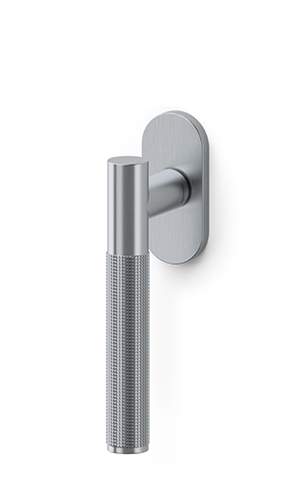 K271
K271  CR
CR  SC
SC  IS
IS  ISB
ISB  PBU
PBU
 ISBRZ
ISBRZ  IA
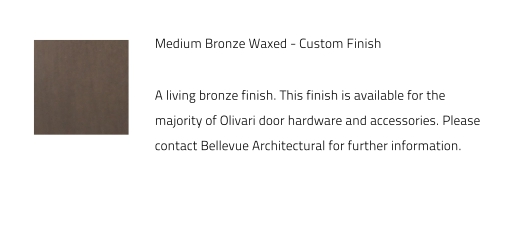
IA  MBW
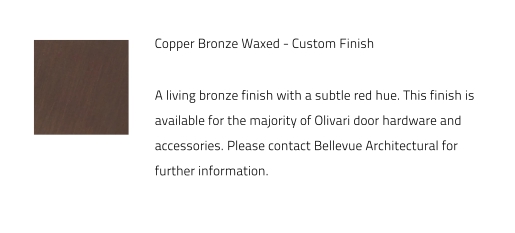
MBW  CBW
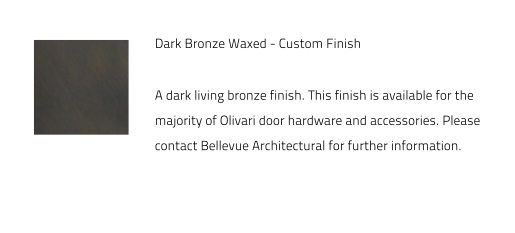
CBW  DBW
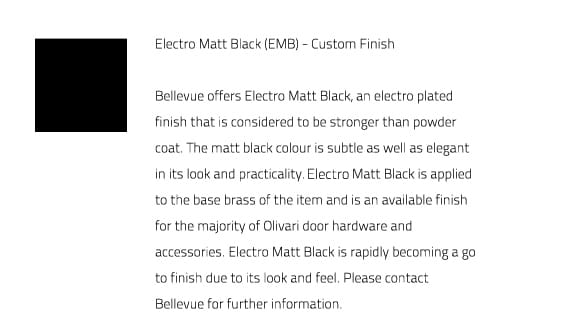
DBW  EMB
EMB 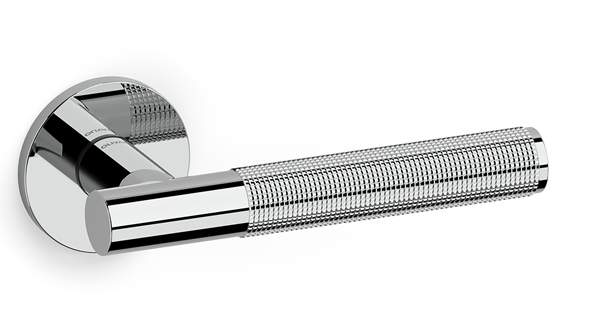
 P271RL
  L271R
L271R 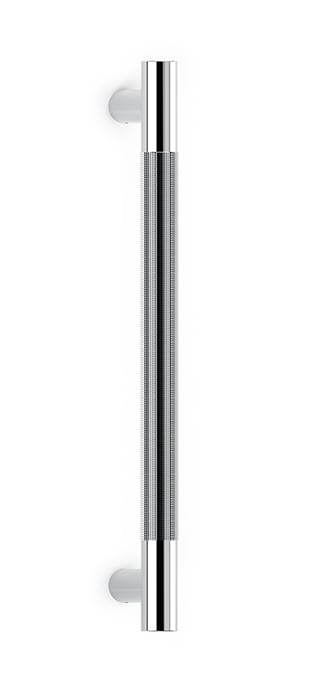 L271
L271 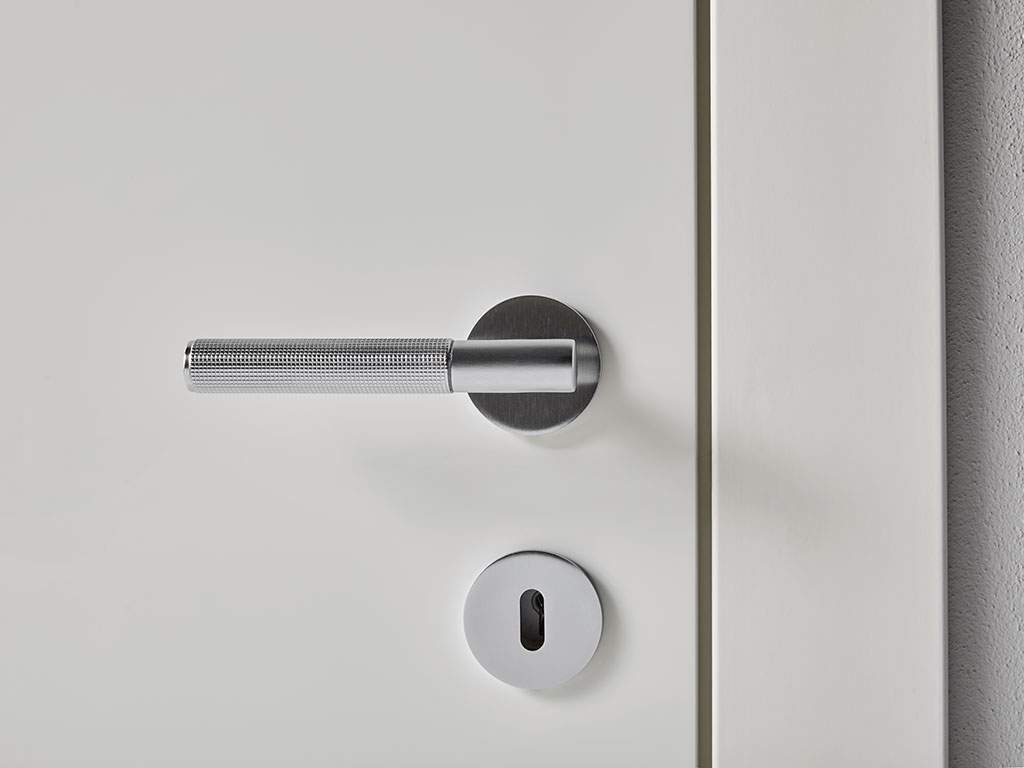

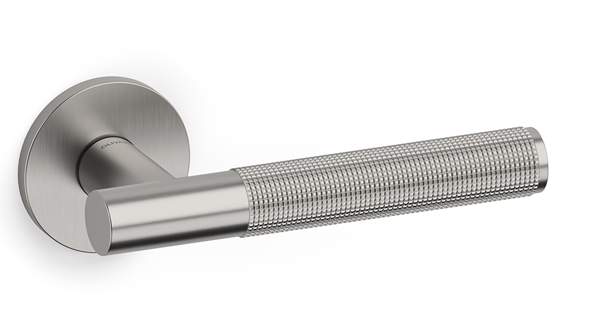
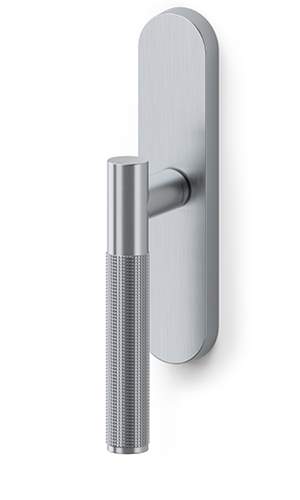
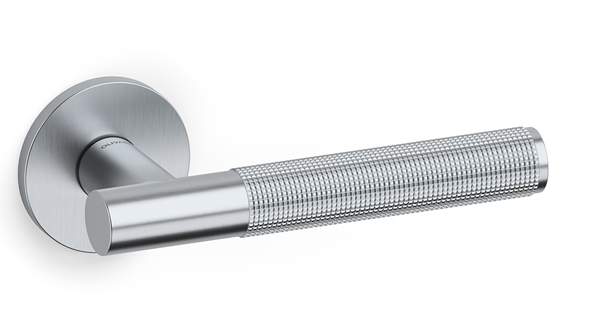
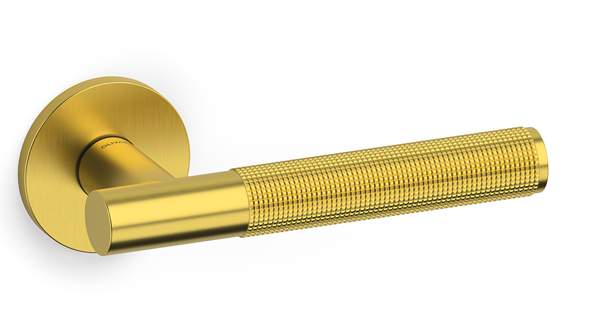
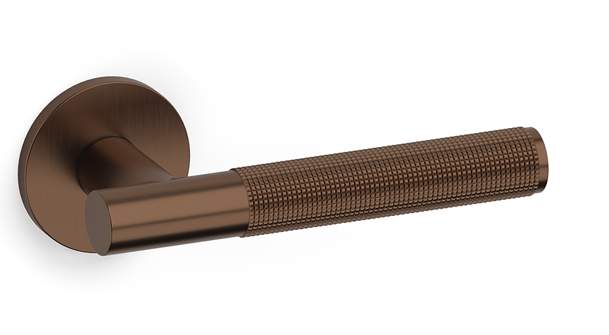
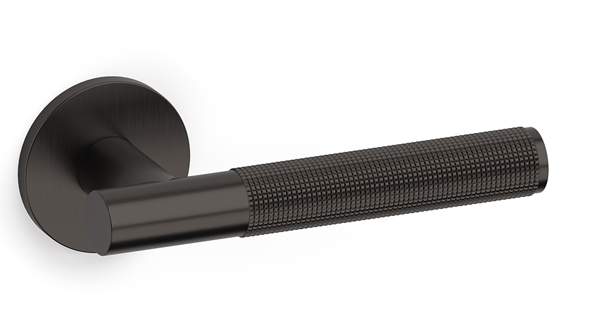
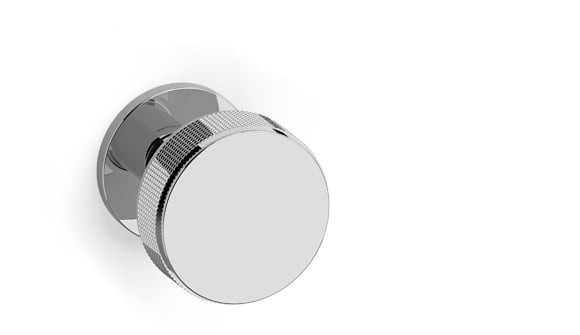
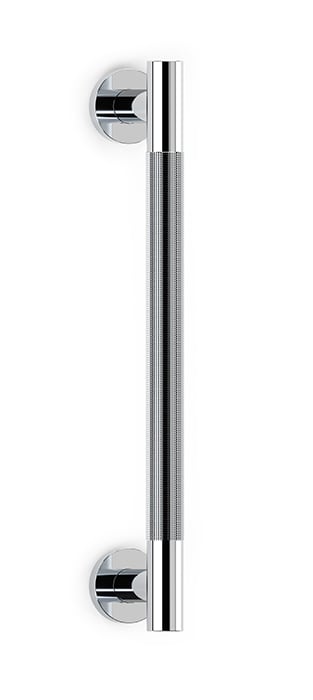
In the Hybrid series, we transformed the rigorous rhythm of the architecture into an embossed, geometric and innovative design, achieving a remarkable tactile sensation on the grip.
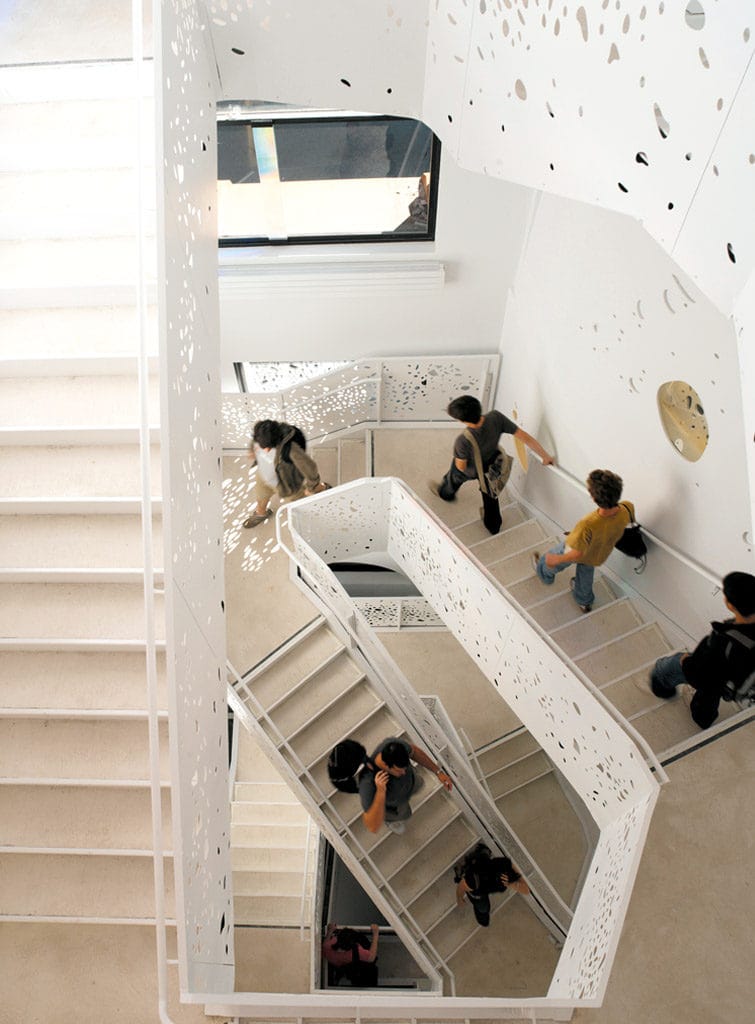
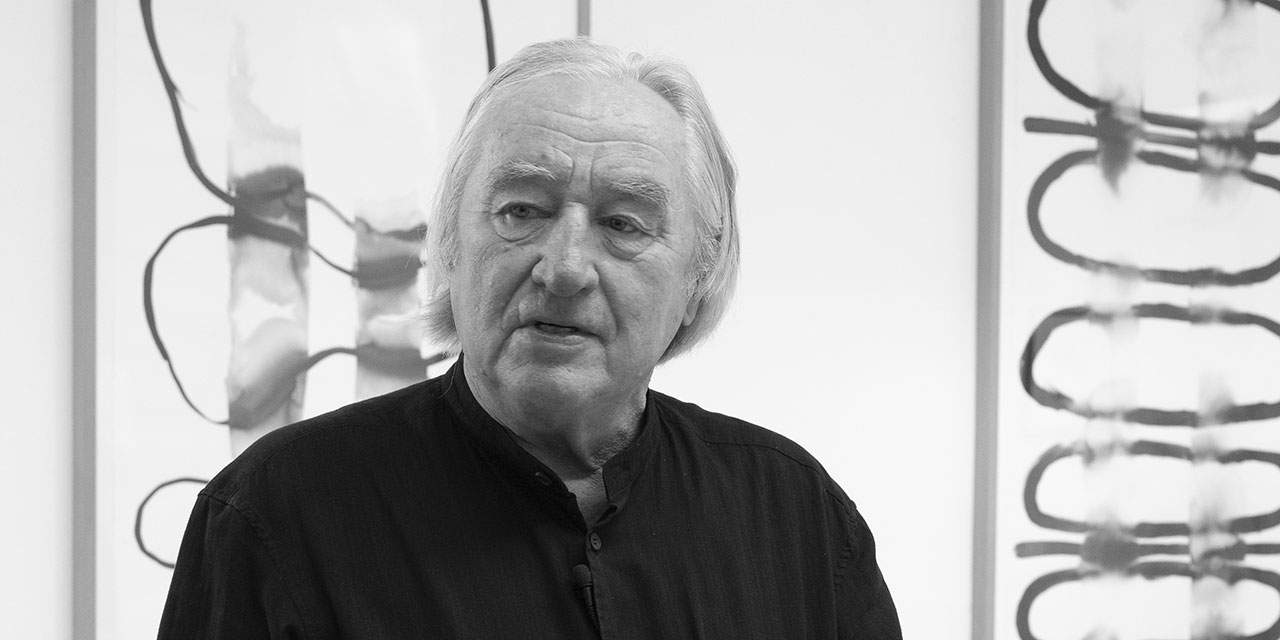
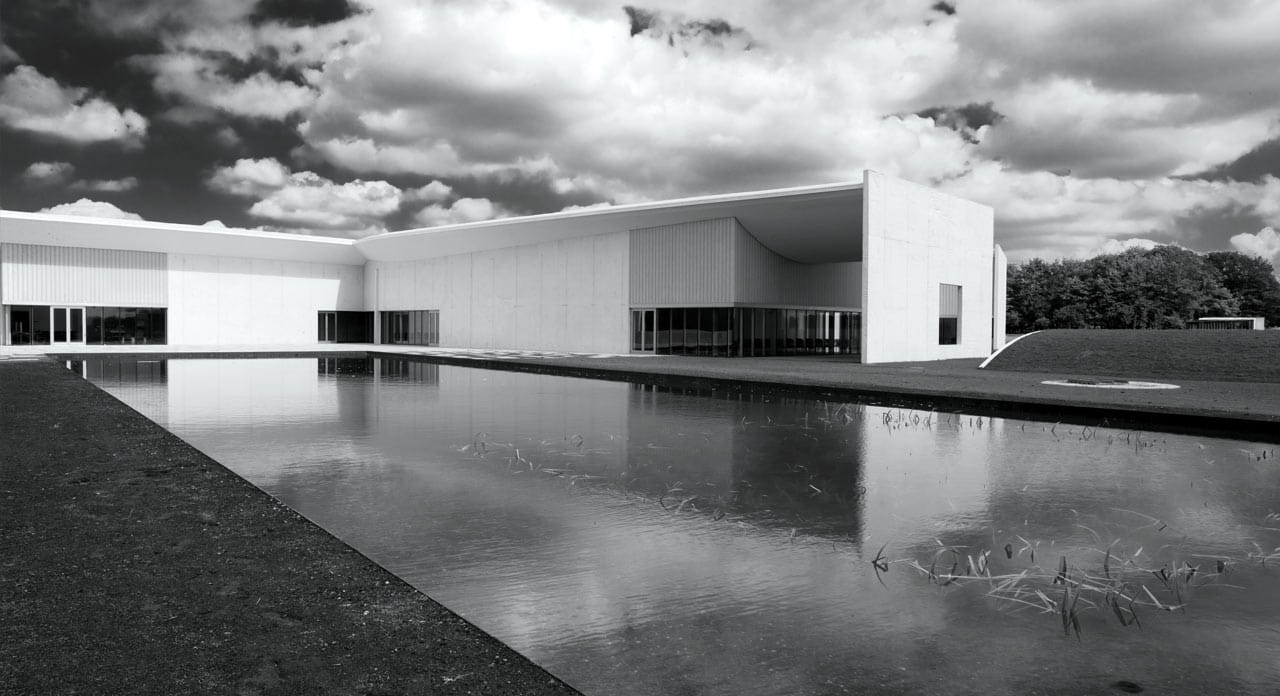
Later he was able to realize many buildings, all with a careful use of natural light, a large spatial complexity and a deep typological research.
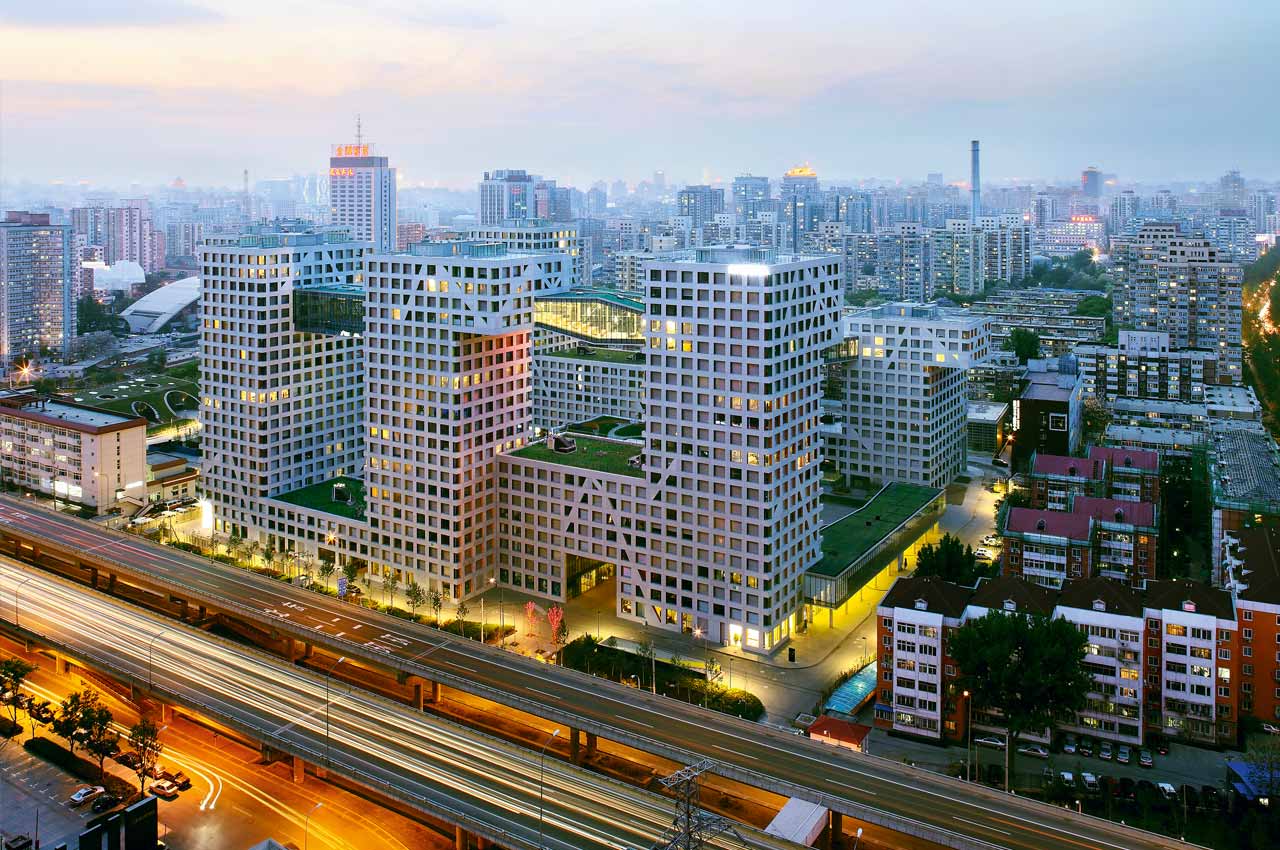
His works include the Kiasma Museum in Helsinki (1992), the Church of St. Ignatius in Washington (1997), Simmons Hall at MIT (2002) and the Linked Hybrid complex in Beijing (2009).
Since 1981, he teaches at Columbia University where he still continues his research.

Are you curious about the endless possibilities for this item? Contact us for more ideas to take your design to the next level.